Rest Easy, My Friend: How Willie Nelson Turned One Last Song for Dolly Parton into a Farewell Country Music Will Never…
Introduction
Rest Easy, My Friend: How Willie Nelson Turned One Last Song for Dolly Parton into a Farewell Country Music Will Never Forget
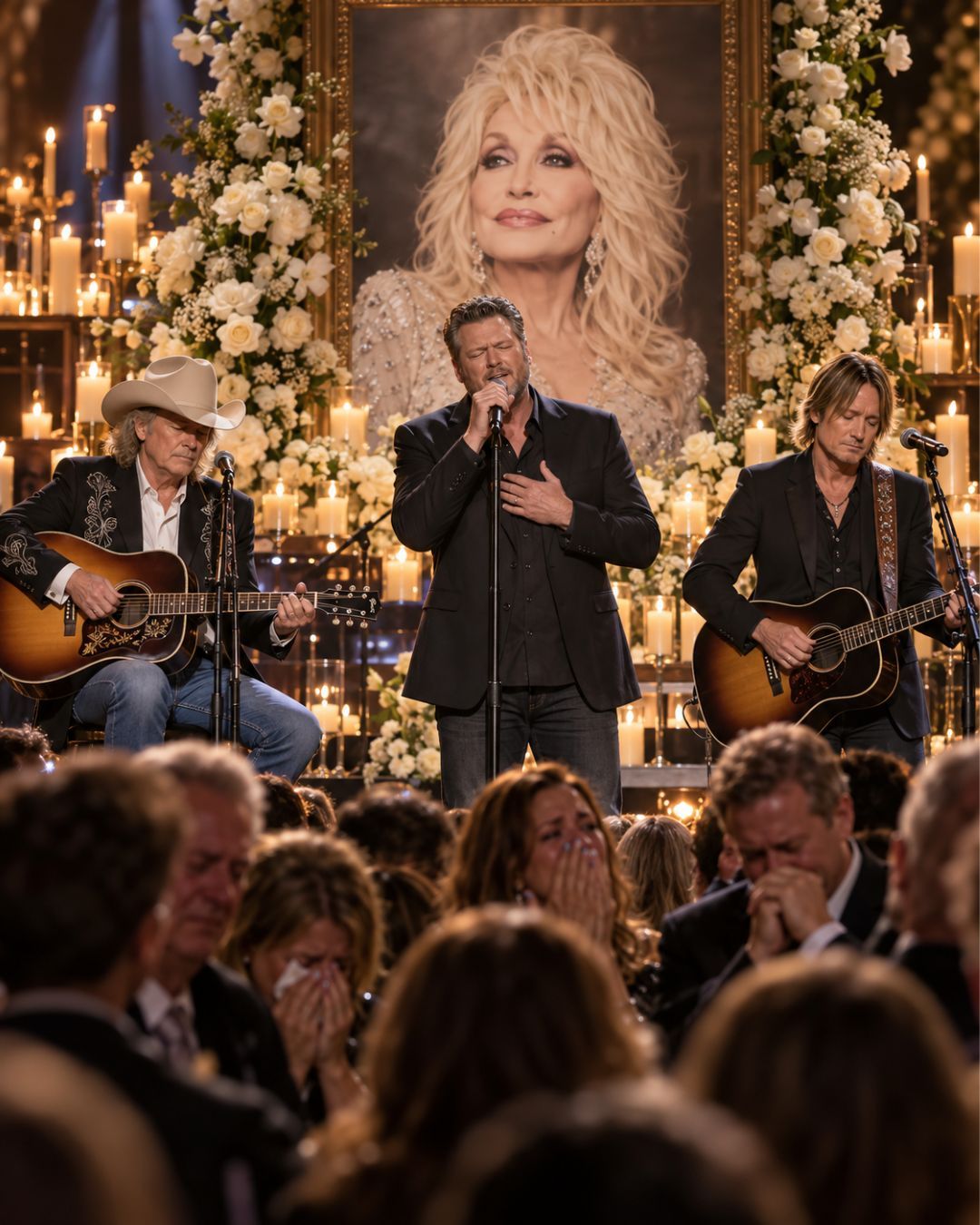
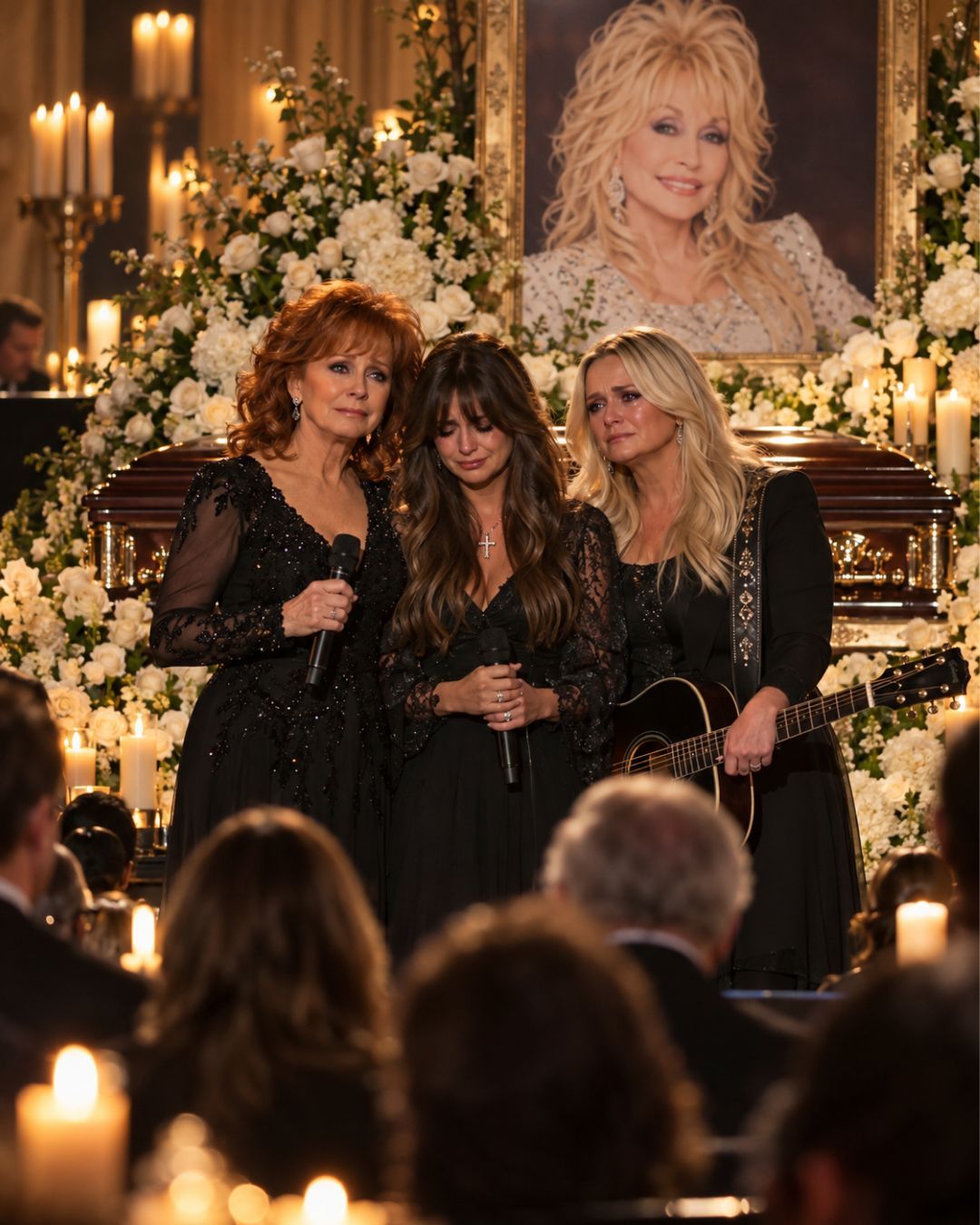
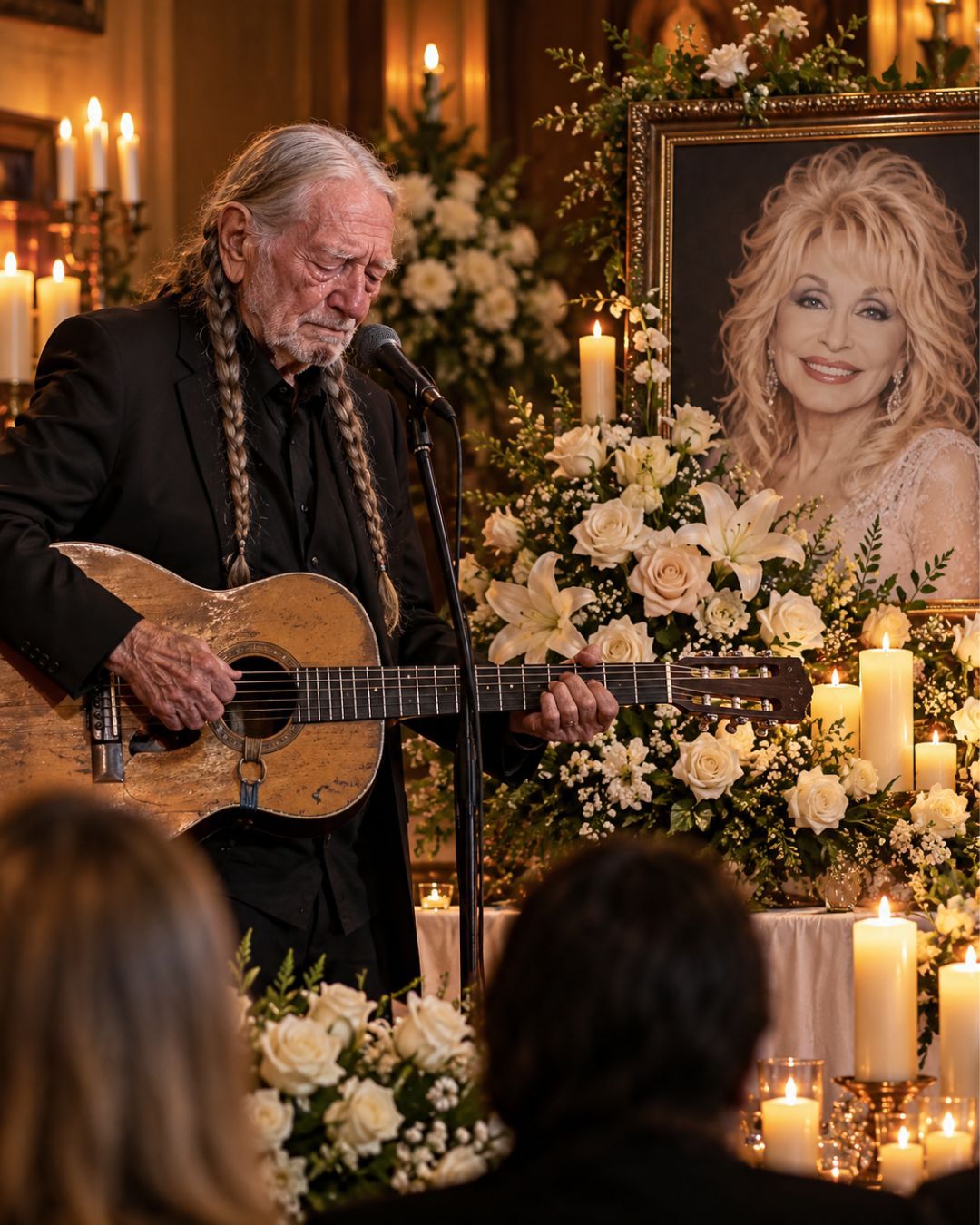
There are moments in country music when a song stops being entertainment and becomes something deeper—something closer to prayer, confession, and memory all at once. The imagined farewell captured in “REST EASY, MY FRIEND.” — WILLIE NELSON’S FINAL SONG FOR DOLLY PARTON LEFT THE ROOM IN SILENCE 💔🎸 belongs to that tradition. It presents Willie Nelson not as a star performing for a crowd, but as an old friend standing in the presence of loss, trying to say with music what ordinary language can no longer manage.
That is what makes the scene so emotionally powerful. Willie Nelson has always carried a rare sense of honesty in his voice. Even at its most fragile, his singing has never depended on polish or force. Instead, it rests on phrasing, understatement, and emotional truth. In this tribute to Dolly Parton, those qualities become even more meaningful. The image of Willie holding Trigger, his famous guitar, instantly calls up a lifetime of American music history. Trigger is not merely an instrument; it is part of Willie’s identity, just as unmistakable in its way as Dolly’s voice, wit, and luminous presence were to hers. Placing that guitar at the center of this farewell gives the moment a sense of continuity, as though decades of friendship, roads traveled, songs shared, and respect unspoken are all gathered into a single final melody.

What is especially moving about this imagined scene is its refusal of spectacle. There is no dramatic production, no oversized gesture, and no attempt to force emotion. That restraint matters. Dolly Parton was a larger-than-life figure, but the most meaningful tributes to great artists are often the quietest ones. Here, the silence surrounding Willie Nelson becomes almost as important as the song itself. Silence in country music can be incredibly expressive. It allows grief to settle. It gives memory room to breathe. And in this case, it turns the performance into something intimate, as though the audience has vanished and only Willie and Dolly remain—two legends connected by time, art, and affection.
The phrase “Rest easy, my friend” is simple, but that simplicity is precisely why it lands so hard. It sounds like something one would say not for effect, but because nothing more elaborate would feel true. That has always been one of the enduring strengths of country music at its best: it understands that the plainest words are often the ones that endure. In this imagined farewell, Willie’s final line carries not just sadness, but gratitude. He is not only mourning Dolly Parton; he is also honoring what she gave—to music, to audiences, and to fellow artists who walked alongside her.

There is also something profoundly fitting in the idea that Willie’s goodbye would come through song rather than speech. Great artists often speak most clearly through the form that made them who they are. For Willie Nelson, music is not decoration around emotion; it is the emotion. The final chord fading into silence becomes more than an ending. It becomes an acknowledgment that some bonds do not truly end, even when the voice on the other side is gone.
In that sense, this piece is not simply about grief. It is about legacy, companionship, and the quiet dignity with which one legend honors another. Willie Nelson, with Trigger in his hands and memory in every note, becomes the perfect messenger for a goodbye that feels at once personal and universal. And Dolly Parton, though absent in body, remains vividly present in the tenderness of the farewell. By the end, it no longer feels like a performance at all. It feels like one old friend using the only language big enough—music—to say thank you, rest easy, and goodbye.